Optimization of Computational Algorithms
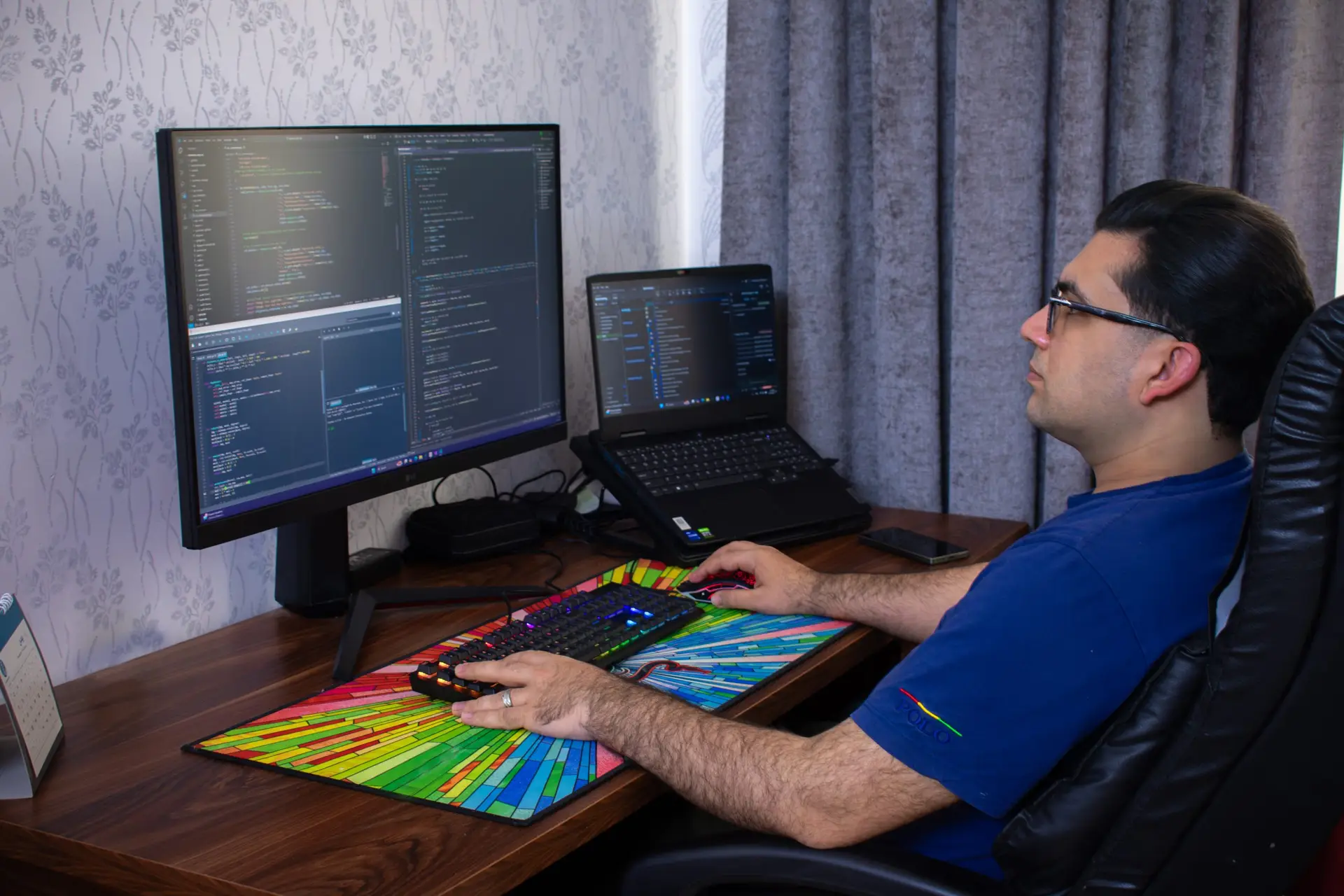
Optimizing computational algorithms is one of the fundamental challenges in computer science and software engineering. With technological advancement and the exponential growth of data, the need for more efficient and faster algorithms has become increasingly evident. In essence, algorithm optimization means reducing execution time and resource consumption, which directly contributes to improving the performance of computational systems.

The Importance of Optimization
Algorithms act as a set of instructions designed to solve specific problems. In today’s world, where data volumes are growing exponentially, optimizing algorithms is essential for reducing processing time and making efficient use of hardware resources. Optimization can take various forms, such as improving algorithmic efficiency, reducing time and space complexity, and optimizing memory usage.

Types of Algorithmic Structures
Understanding different algorithmic structures helps in developing more efficient algorithms. For example, sorting algorithms, search algorithms, and divide-and-conquer algorithms each have unique characteristics and applications. A deep understanding of these structures enables programmers and researchers to select the most effective approaches for solving specific problems.
Related Hardware
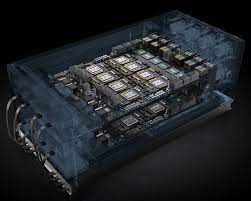
In addition to algorithmic optimization, knowledge of related hardware is equally important. For instance, multi-core processors and graphics processing units (GPUs) can significantly accelerate algorithmic computations. Likewise, using high-speed memory and optimizing data access patterns can have a major impact on overall system performance.
Conclusion
Ultimately, optimizing computational algorithms not only enhances system speed and efficiency but also helps reduce operational costs and energy consumption. Given the growing importance of data and computation in today’s world, investing in algorithm optimization—and understanding algorithmic structures and related hardware—is essential for every developer and researcher working in this field.