Implementation of Algorithms on GPU
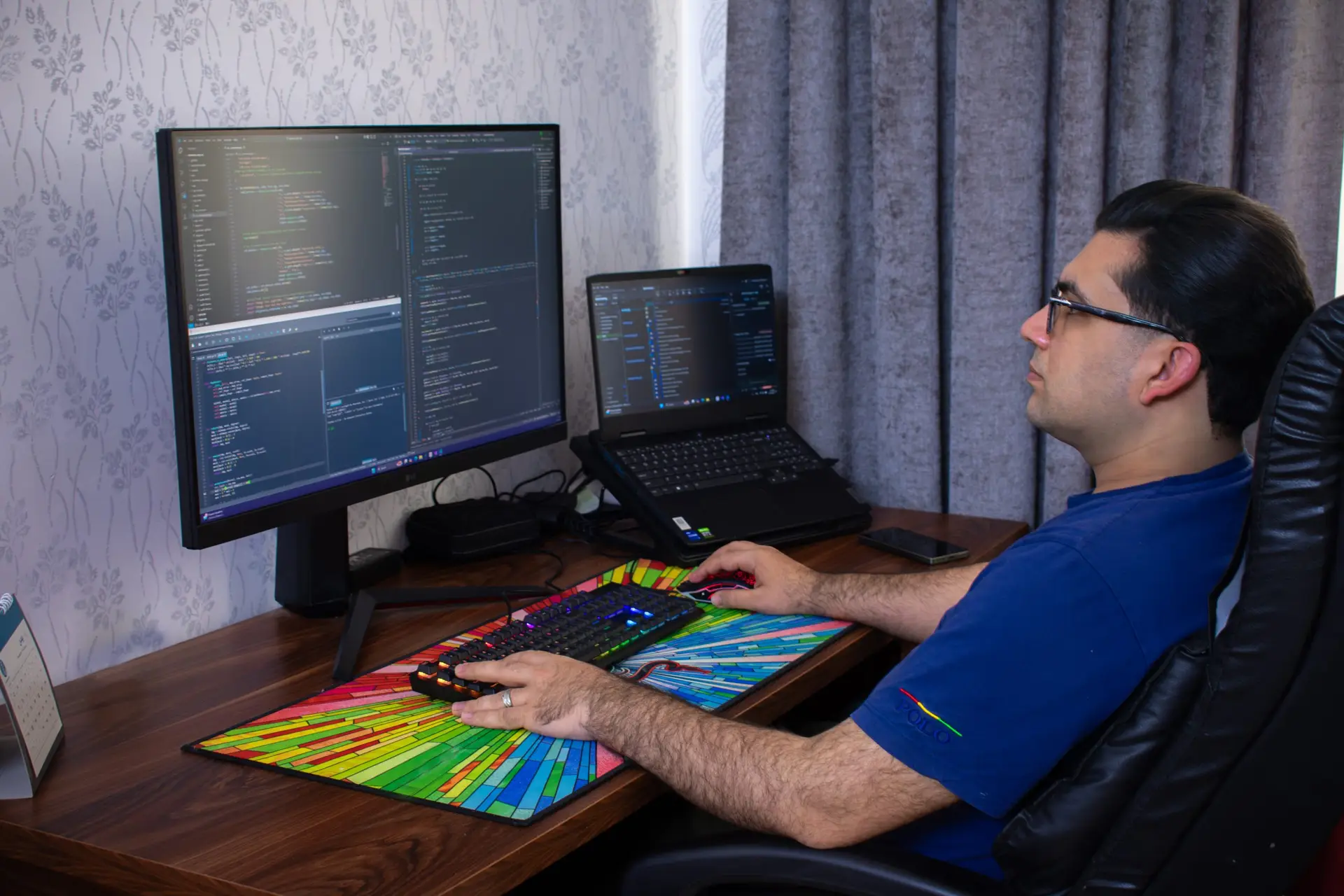
In the world of modern computing, as data volumes and algorithmic complexity continue to increase, the need for processing optimization and performance enhancement has become more critical than ever. One of the most effective methods to achieve this goal is the use of Graphics Processing Units (GPUs). GPUs are specifically designed for parallel computation and heavy processing tasks, making them ideal for implementing algorithms that require a large number of iterations.
Advantages of Using GPUs
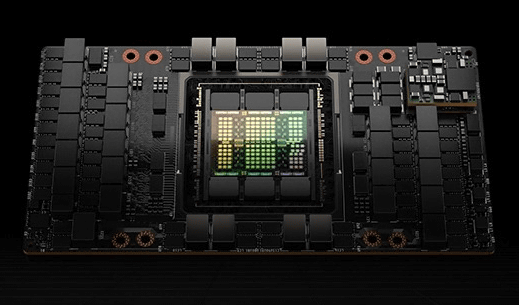
Algorithms that typically benefit from GPU acceleration include scientific computations, machine learning, physical simulations, and image processing. In these algorithms, a specific task often needs to be repeated many times, which can be time-consuming. By using GPUs, these computations can be executed simultaneously across thousands of processing cores, significantly reducing the execution time. This capability is particularly valuable in applications that require high-speed processing.
Applications of GPUs in Deep Learning
In deep learning, for example, neural networks typically involve a vast number of matrix operations. With GPU acceleration, these computations can be executed in parallel, dramatically speeding up the model training process. This is especially important for large and complex models that must process vast amounts of data. Furthermore, by employing optimization techniques such as dimensionality reduction and optimized architectures, GPU performance can be maximized even further.
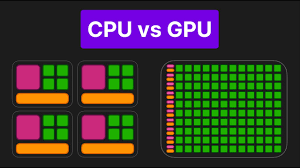
Image Processing and Physical Simulations
In image processing, operations such as filtering, edge detection, and Fourier transforms can be performed simultaneously on multiple pixels, improving efficiency and reducing processing time. Similarly, in physical simulations—such as fluid dynamics or molecular interactions—GPUs can significantly shorten computation times, enabling researchers to achieve faster and more accurate results.
Challenges and Considerations
However, implementing algorithms on GPUs requires a deep understanding of their architecture and memory management. Programmers must design algorithms carefully to fully leverage GPU parallelization capabilities. This includes dividing tasks into smaller subtasks that can run concurrently and efficiently managing data between GPU and CPU memory. Failure to do so can lead to reduced performance and increased computation time.
Future and Emerging Trends
Ultimately, given the substantial advantages of GPU-based algorithm implementation, this technology has become one of the key tools in scientific and engineering computation. With ongoing advancements in GPU design and algorithm optimization, it is expected that in the near future, even more applications will leverage this technology. This trend will likely contribute to the development of innovative technologies and the improvement of human life quality.